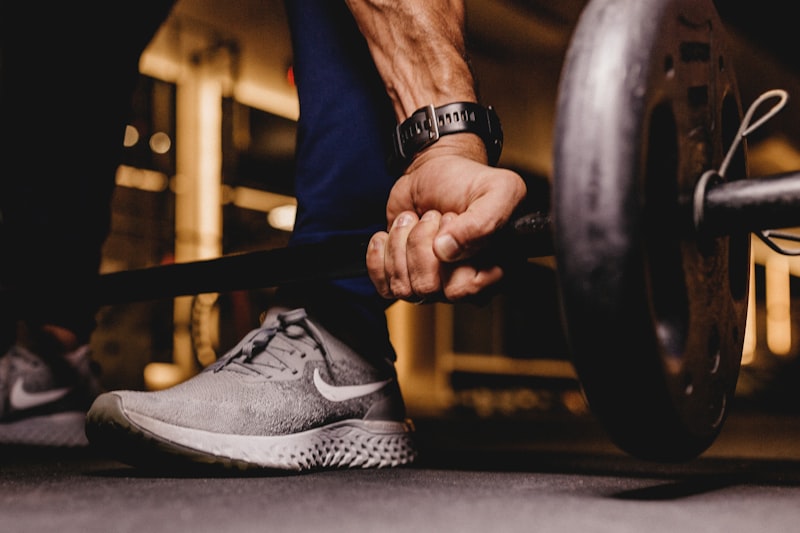
Stressed adult at desk 01

From Active Teens to Stressed Adults: The Real Reason Health Declines

Many people ask the same question as they grow older: Why am I gaining fat and feeling unhealthy now, even though I'm eating the same food I used to eat in my teenage years?

The answer isn't food alone. The real reason lies in how our body and lifestyle change across different stages of life.

In our teenage and early college years, energy levels are naturally higher because life itself keeps us active. School, college, walking, sports, and outdoor activities build movement into daily routine.

Lower stress, better sleep, and growth-supporting hormones help the body recover and maintain energy balance.

As adulthood begins, responsibilities increase. Independence, earning, expenses, and competition introduce stress.

With stress comes compromise: less movement, irregular eating, poor sleep, and long sitting hours.

Chronic stress raises cortisol levels, which are linked to fat storage and reduced recovery.

Fitness often gets delayed because it is the one responsibility no one forces on us.

Weeks turn into months. Months turn into years.

Marriage, family, and financial responsibility push health further down the priority list.

Most people are not overeating; they are under-moving and over-stressed.

Metabolism does not disappear with age. What disappears is movement, muscle, and recovery habits.

Maintaining strength and regular activity preserves metabolic health at any age.

Motivation appears after health scares or uncomfortable realisations, but fades quickly if not used.

Lifestyle must change before shortcuts can work.

Daily movement, strength, sleep, stress management, and consistency matter more than any diet.

Health problems are rarely caused by food alone.

They are created by years of reduced movement, chronic stress, and delayed action.
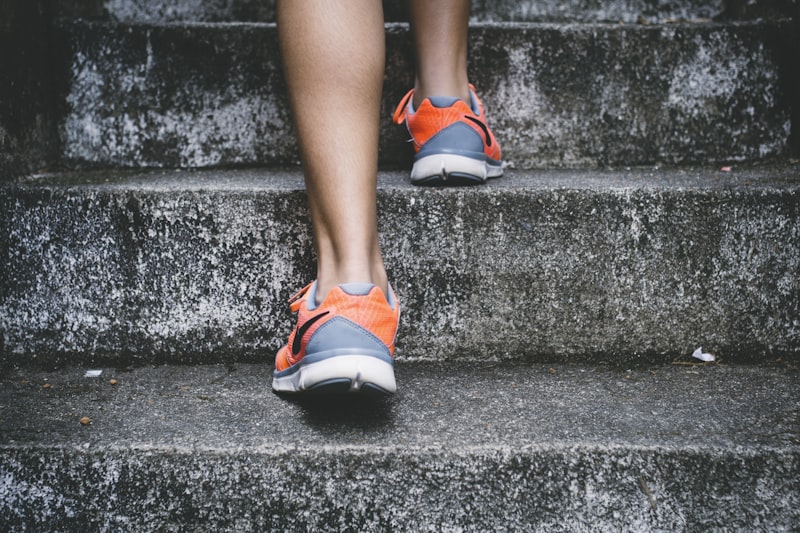
Change how you live, not just what you eat. Consistency is what rebuilds health.
Person starting fitness journey 02

Whether by Choice, Need, or Force — You Will Eventually Start

Everyone starts their fitness journey for a different reason. Some by choice, some by need, and some by force. Different reasons. Same destination.

Some people start by choice. They feel good, want to feel better, and decide to invest in their health early.

Some start by need. Energy drops. Clothes don't fit the same. Sleep feels broken. Something feels off, and fitness becomes necessary.

And some people start by force. A medical report. A doctor's warning. Pain that doesn't go away. A moment that scares them enough to finally pay attention.

At some point in life, everyone starts. The only real difference is when and how.

Starting Early Is a Privilege, Not Willpower

We often judge people for not taking care of themselves earlier. But not everyone grows up with the same environment.

Not every child has parks nearby, safe spaces to play, active role models, or encouragement toward movement.

Many grow up indoors. Screens replace playgrounds. Pressure replaces play.

Add today's world — long work hours, constant stress, convenience, and an AI-driven future that reduces movement even further.

When someone starts fitness late, it's rarely laziness. It's usually lack of exposure.

Why Waiting Makes the Start Harder

The longer you wait, the heavier the start becomes.

Joints stiffen. Muscles weaken. Confidence drops. Fear increases.

Eventually, fitness stops being a choice and becomes a requirement.

The Biggest Mistake People Make When They Start

When people finally decide to begin, they try to compensate.

They go too hard. They chase fast results. They expect years of neglect to reverse in weeks.

This isn't a motivation problem. It's a strategy problem.

Why Consistency Always Wins

The body doesn't understand motivation. It understands repetition.

Small movements done regularly rebuild strength, restore confidence, and improve energy.

Consistency works whether you start early or late — by choice, need, or force.

The Question Is Not If You'll Start

The real question isn't whether you'll start.

Will you start gently, on your terms? Or will life force you to start under pressure?

Both paths lead to fitness. Only one allows peace.

The Right Way to Begin

You don't need to fix everything at once.

You need movement. Then consistency. Then patience.

Start small. Stay regular. Let time do the heavy lifting.

Fitness is not about proving discipline. It's about building a relationship with your body that lasts. Whether you start by choice, need, or force — choose consistency over shortcuts. That's how you rebuild.
Active person vs fit person 03

Being Active vs Being Fit — Why Most People Confuse the Two

Most people believe they're "healthy enough" because they walk daily, stay on their feet, or move around at work. And while being active is essential — it's not the same as being fit.

Being active is the body's minimum requirement. We're designed to move. Even simple activities like walking, climbing stairs, or playing with your kids improve mood, sleep, energy, and reduce disease risk. This is why doctors, researchers, and experts like Peter Attia and the WHO call daily movement non-negotiable.

But activity only maintains your current health. Fitness, on the other hand, improves it.

Being Active: Movement Without Intention

Activity helps you feel better in the short term. It keeps your joints loose, your body less stiff, and your energy more stable. It prevents decline — but it rarely creates noticeable progress.

You can be active for years and still feel stuck.

Being Fit: Movement With Purpose

Fitness is what happens when you train with intention — when you add resistance, improve form, follow a routine, and progress gradually.

Fitness strengthens what activity only supports: muscle, bone, heart, posture, metabolism, confidence, and mental resilience.

Where activity helps you "not get worse," fitness helps you get better.

Researchers like Mark Rippetoe and Andy Galpin consistently show that resistance training improves nearly every measure of healthspan. Your body becomes not just active, but capable and strong.

Why People Mix the Two Up

Being active feels like effort. Walking all day feels tiring. But movement without intention doesn't create real physical development.

Being active = you move because life requires it.
Being fit = you move because you're improving yourself.

What Fitness Does That Activity Cannot

The biggest shift isn't physical — it's emotional.

When you train consistently, you start feeling good in your own skin. Your confidence rises. You release more happy hormones. Your productivity increases. Your mind becomes clearer.

Many people spend money trying to feel valuable, yet still doubt themselves. Fitness flips that internally. You feel valuable because you become capable.

The Bottom Line

Being active keeps you moving. Being fit keeps you improving.

You need both — but only one changes your life.

Start with movement. Grow into fitness. Stay consistent. And watch everything improve: your body, your energy, your confidence, your mindset.

Ready to Start Your Journey?

Get personalized guidance tailored to your fitness goals.